
HERBIXAncient Soil. Modern Magic.
Fresh fruit · Pome fruit

Apple: nutrition pattern & kitchen use

Apples are fiber-rich pome fruits that fit easily into everyday snacks and baking. They contribute soluble fiber (including pectin), vitamin C, and polyphenols—especially when you keep the skin.

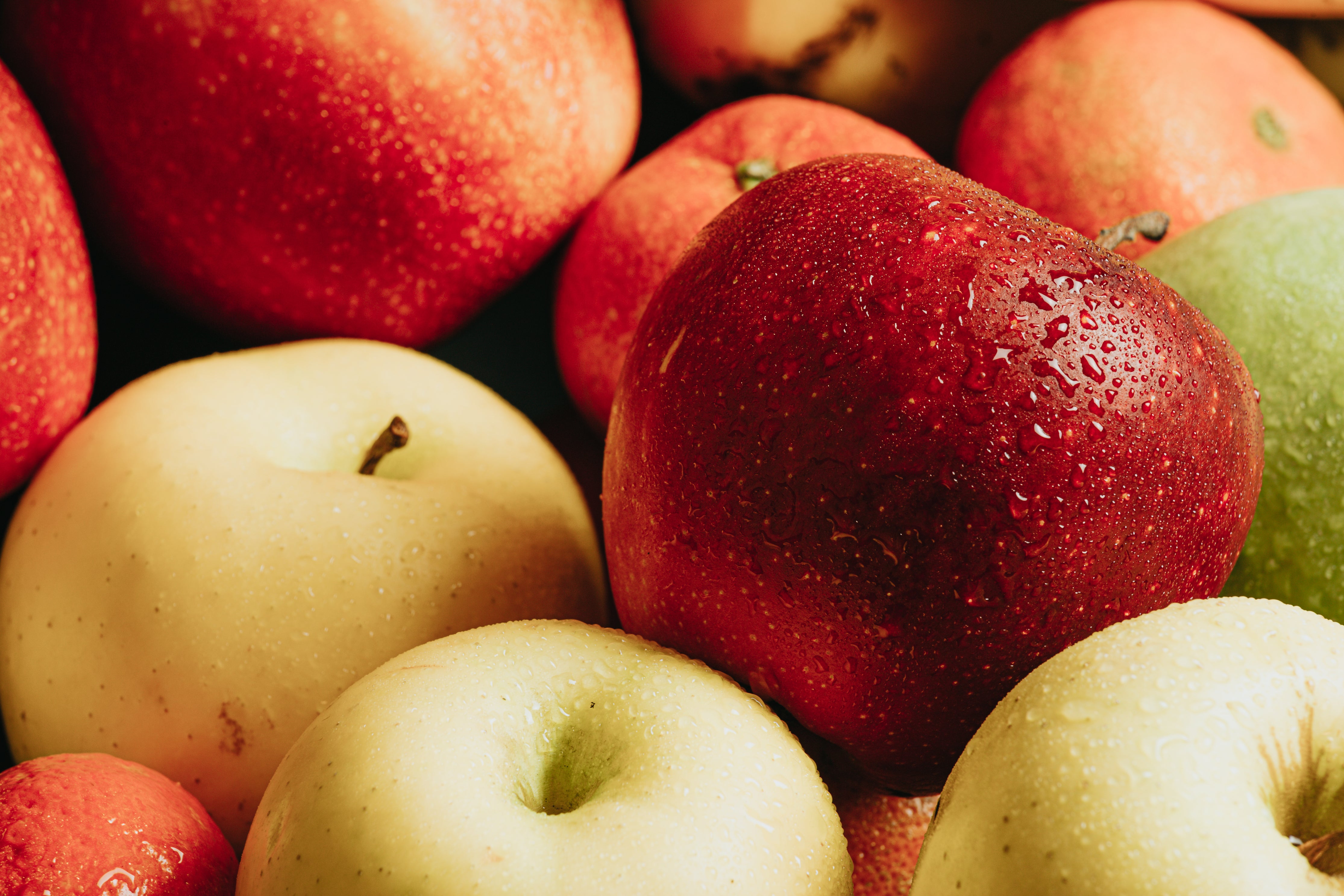
Apple stock photo

At a glance

  • Strong fit for whole-fruit patterns and higher-fiber diets.
  • Chewing the whole fruit supports satiety versus drinking the same energy as juice.
  • Malus domestica; thousands of cultivars differ in tartness, firmness, and skin color.

Why whole fruit fits healthy patterns

  • Associated with healthy dietary patterns that include produce variety (population data; not a standalone treatment).
  • Skin-on slices add fiber and textured volume to meals and snacks.
  • Pair with protein (e.g. nuts, yogurt) if you want steadier energy than fruit alone.

Forms & portions

  • Whole fresh is the default HERBIX recommends for most people.
  • Unsweetened applesauce can be useful for texture or tolerance; check labels for added sugar.
  • Dried apple is energy-dense—small portions.

Practical tips

  • Wash skin if you eat it; store cool for crispness.
  • For oral allergy syndrome (birch–apple cross-reactivity), some people tolerate peeled or cooked apple better—ask an allergist.

Safety checkpoints

  • FODMAP: apples are high in fermentable carbs for some people with IBS—dietitian-guided portions if relevant.
  • Diabetes meal planning: fruit fits many plans as a carbohydrate choice—coordinate with your clinician or dietitian.

Important

HERBIX fruit guides are educational food-first summaries. They do not diagnose, treat, or replace medical nutrition therapy. Read the aggregated evidence notes in docs/fruits-health.md and discuss changes with your clinician or dietitian if you use medications or have renal disease, GI conditions, allergies, pregnancy, or diabetes.