
HERBIXAncient Soil. Modern Magic.
Fresh fruit · Berry (botanically)

Avocado: nutrition pattern & kitchen use

Avocado is a botanically single-seeded berry valued for heart-friendly monounsaturated fat, fiber (especially soluble), potassium, vitamin E, folate, and fat-soluble-friendly texture in meals.
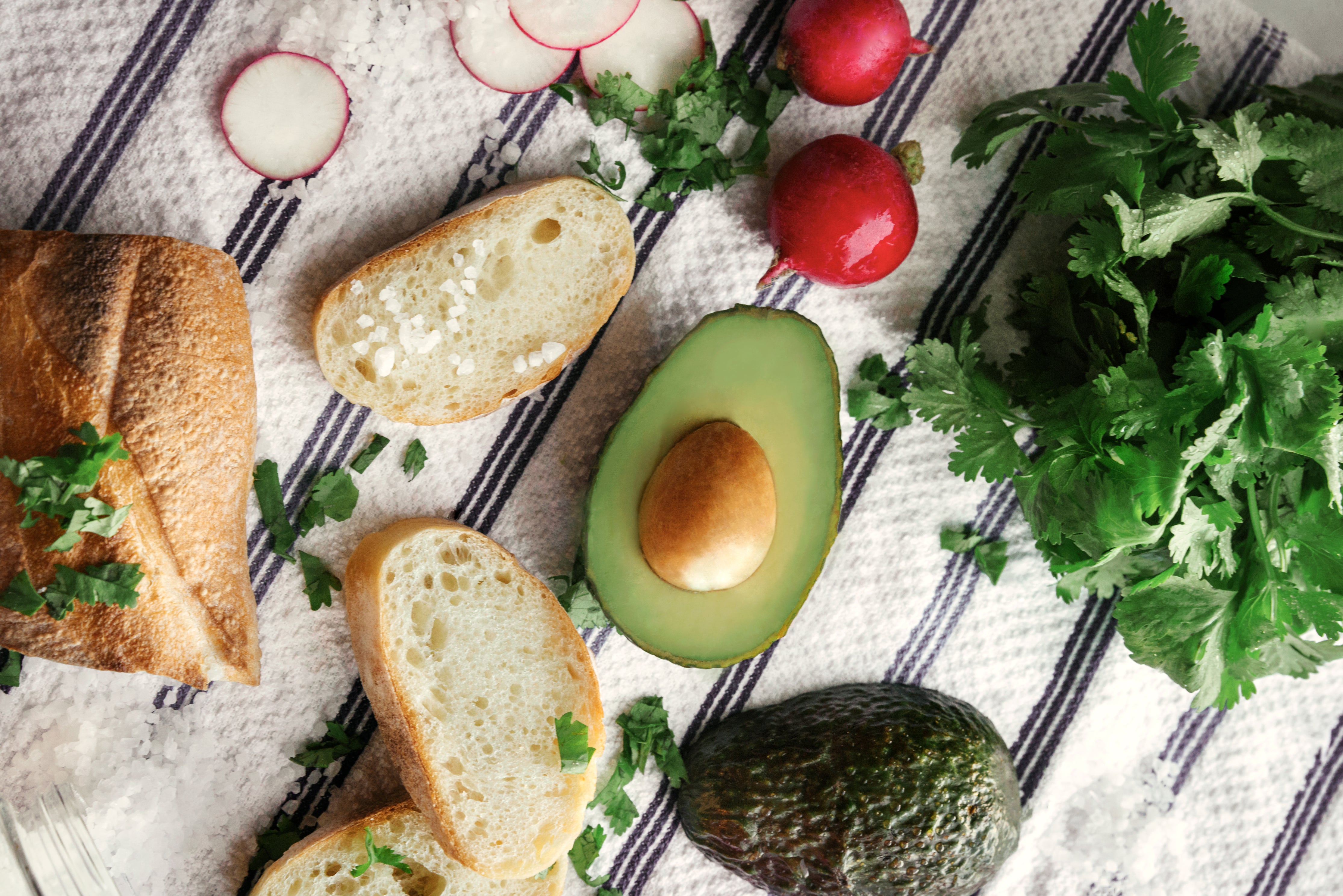
Avocado stock photo

At a glance

  • Energy-dense: healthy fat still adds calories—portion-aware use.
  • Potassium-rich compared with many fruits—relevant only when your clinician monitors potassium intake.
  • Common in cuisines as savory fruit (guacamole, toast, smoothies).

Why whole fruit fits healthy patterns

  • Can replace some refined-fat spreads within overall dietary balance.
  • Supports vegetable-heavy plates where fat improves satisfaction and micronutrient absorption.

Forms & portions

  • Fresh halves or slices; limit browning with citrus if desired.
  • Frozen pulp products—watch added salt or preservatives on labels.

Practical tips

  • Ripen at room temperature; refrigerate when soft if not eating immediately.
  • Roughly ¼ medium avocado is often used as a flavor anchor—scale to your nutrition plan.

Safety checkpoints

  • Rare latex–food allergy cross-reactivity spectrum—seek care for new symptoms.
  • Warfarin / vitamin K: avocado contains modest vitamin K; consistency matters—follow your clinician’s INR guidance.

Important

HERBIX fruit guides are educational food-first summaries. They do not diagnose, treat, or replace medical nutrition therapy. Read the aggregated evidence notes in docs/fruits-health.md and discuss changes with your clinician or dietitian if you use medications or have renal disease, GI conditions, allergies, pregnancy, or diabetes.