
HERBIXAncient Soil. Modern Magic.
Fresh fruit · Citrus

Orange: nutrition pattern & kitchen use

Oranges are classic vitamin C carriers with fiber-rich segments versus strained juice. They also contribute folate, potassium, and hesperidin-class flavanones studied in cardiometabolic nutrition science.
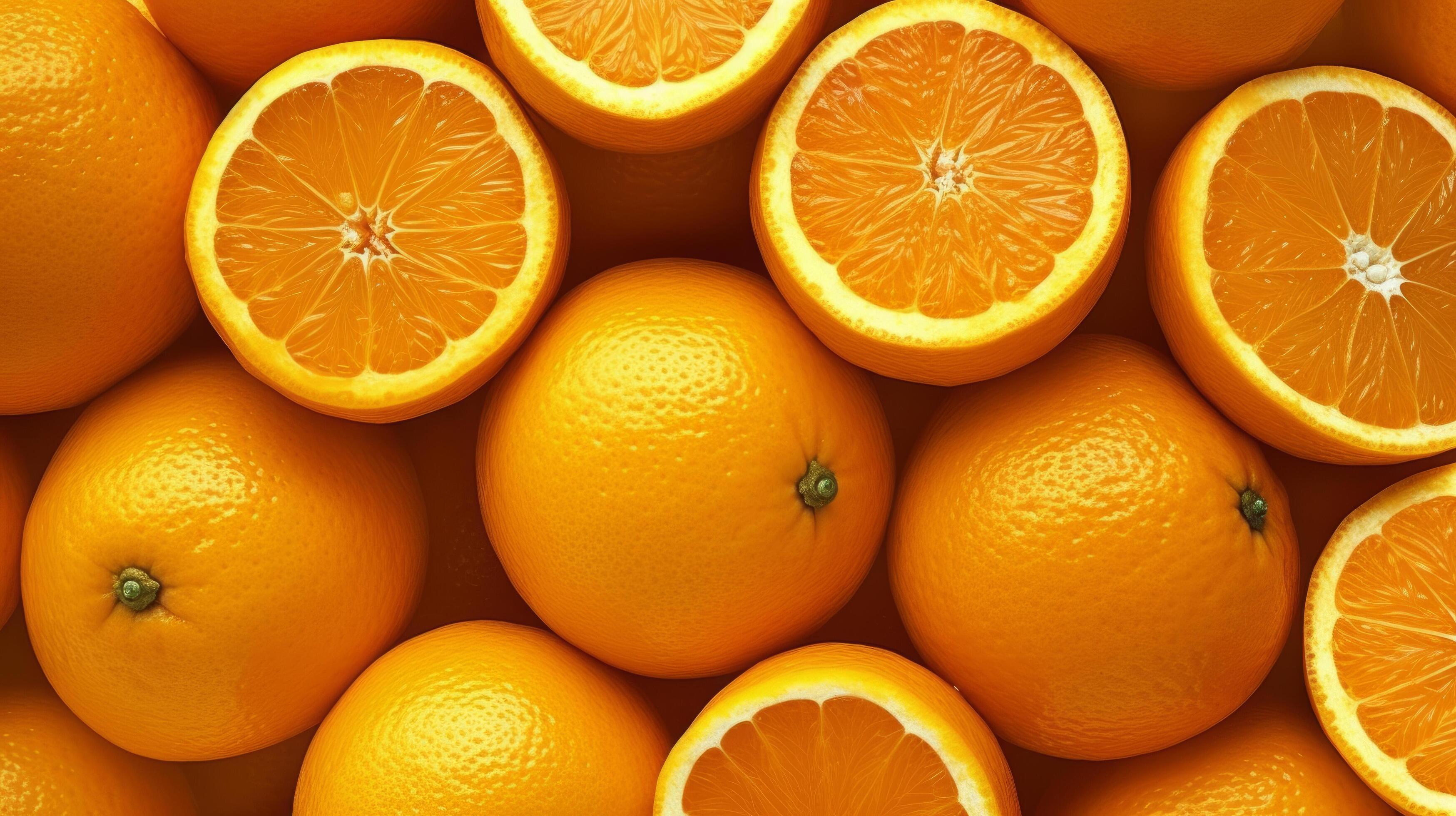
Orange stock photo

At a glance

  • Whole orange > juice for typical glycemic response comparisons.
  • Many hybrids (mandarins, tangerines, clementines) behave similarly culinary-nutritionally.

Why whole fruit fits healthy patterns

  • Pairs with savory citrus bases (dressings, tagines).

Forms & portions

  • Whole segments, zest, squeezed juice with pulp retains a little fiber—not equivalent to eating the whole fruit.

Practical tips

  • Room-temperature citrus often tastes sweeter.

Safety checkpoints

  • Some psychiatric or cardiovascular drugs have juice-mediated interaction anecdotes—confirm with pharmacist for your exact list.

Important

HERBIX fruit guides are educational food-first summaries. They do not diagnose, treat, or replace medical nutrition therapy. Read the aggregated evidence notes in docs/fruits-health.md and discuss changes with your clinician or dietitian if you use medications or have renal disease, GI conditions, allergies, pregnancy, or diabetes.