
HERBIXAncient Soil. Modern Magic.
Herb Guide

Sage Knowledge Base

Sage shines with butter, beans, poultry, and winter squash. Extract trials for cognition are not the same as sprinkling rubbed leaf—keep copy grounded in culinary amounts.
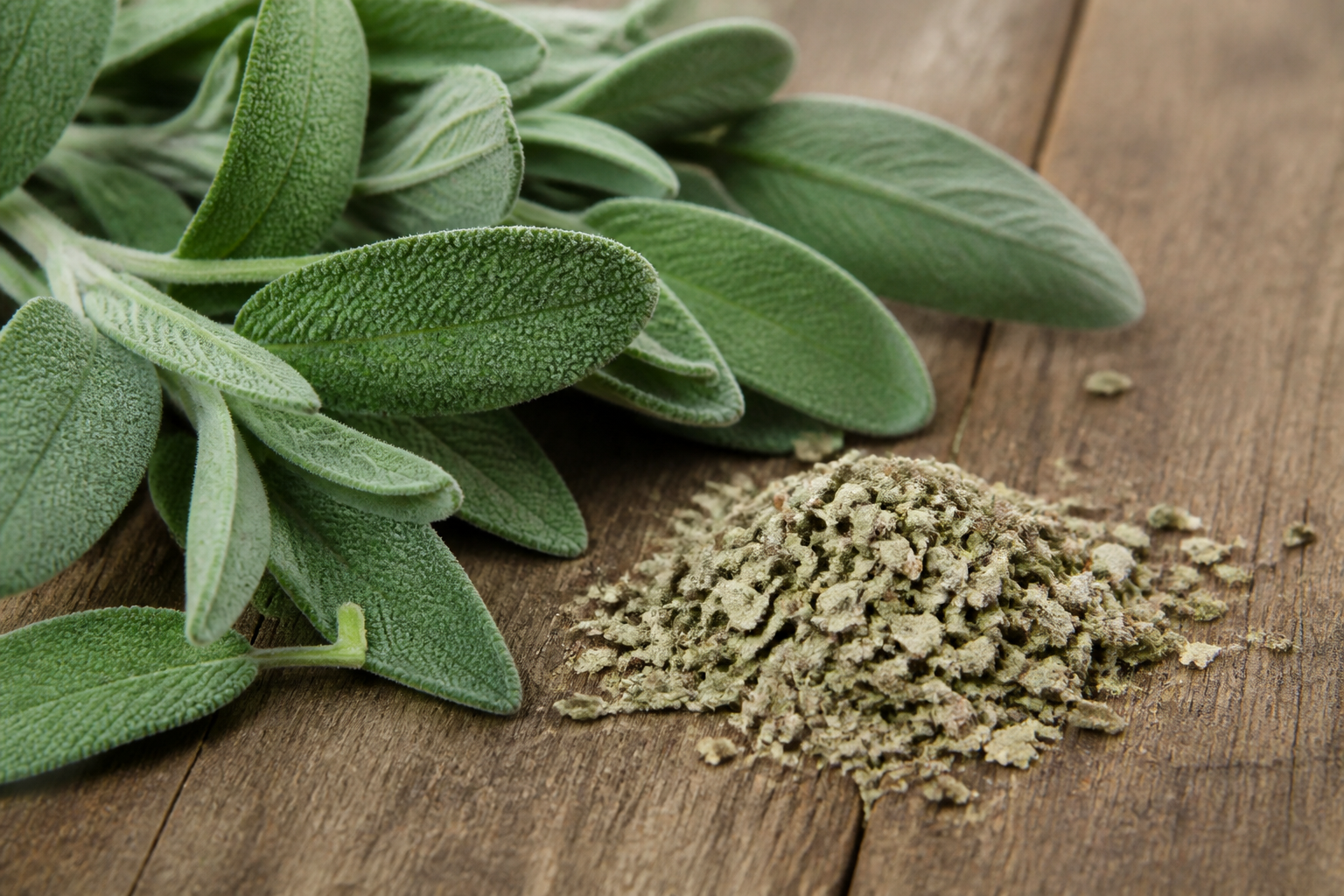
Fresh and dried sage leaves
Latin name
Salvia officinalis L.
Type
Herb
Evidence
Low-Moderate
Flavor
Warm, piney, slightly bitter
Best for
Savory depth and butter-brown sauces

Key compounds

  • 1,8-Cineole
  • Camphor
  • Rosmarinic acid
  • Thujone (higher in essential oil than leaf)

Potential benefits

  • Strong flavor from small quantities.
  • Adds herb diversity in weekly rotation.
  • Useful in salt-sparing savory profiles.

Culinary use

  • Fry gently in butter for pasta finishes.
  • Pair with squash, lentils, and mushrooms.
  • Use lightly—flavor concentrates as it dries.

Safety notes

  • Avoid confusing culinary leaf with high-thujone essential oil teas.
  • Pregnancy: food-level use is usually modest—avoid aggressive supplemental stacks.

Interactions to consider

  • If seizure history, avoid non-food concentrated sage products unless cleared.

Simple routine

  • Dried sage often 0.2-1 g/day in mixed dishes.
  • Start small; bitterness climbs quickly.